
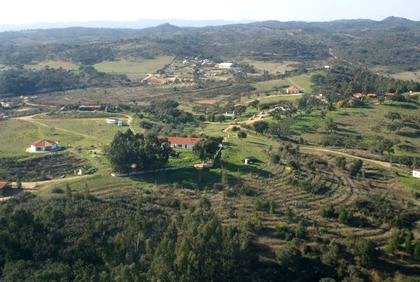
Portugal has become a hotspot for eco-conscious communities, offering diverse approaches to sustainable living amidst stunning natural landscapes. From established permaculture projects to newer intentional communities, these eco-villages showcase alternative ways of living that prioritize ecological harmony, community values, and regenerative practices. Here are ten of the most inspiring eco communities in Portugal that are worth visiting.
1. Tamera Peace Research & Education Center
Located in the Alentejo region of southern Portugal, Tamera was founded in 1995 and has grown into one of Europe’s largest and most influential peace research centers. Spanning over 330 acres, this community of approximately 200 residents focuses on creating a model for a peaceful society that lives in harmony with nature.
Tamera’s approach to sustainability centers around their innovative water retention landscape—a system of lakes and swales that transformed once-arid land into a lush oasis. Their “Solar Village” showcases cutting-edge solar power technologies, while their permaculture gardens demonstrate sustainable food production methods.
Beyond environmental work, Tamera explores social sustainability through new forms of community, trust-building, and conflict resolution. Their research encompasses areas like love, sexuality, and partnership, aiming to create peaceful human relationships as the foundation for a peaceful world.
Visitors can join educational programs, tours, and community events that provide insights into Tamera’s holistic approach to creating sustainable human settlements.
2. Traditional Dream Factory
The Traditional Dream Factory (TDF) in central Portugal represents a newer generation of eco communities. Founded in 2019, this project describes itself as a “regenerative playground” where members experiment with sustainable living, technology, and governance models.
Set on a 6-hectare property in the Coimbra region, TDF combines ancient wisdom with modern innovations. Their approach includes natural building techniques, regenerative agriculture, and the exploration of decentralized governance through sociocracy and blockchain technology.
The community embraces a blend of traditional craftsmanship and digital innovation, making it particularly attractive to digital nomads and entrepreneurs interested in regenerative business models. Their “Digital Decompression Chamber” helps members find a healthy relationship with technology while living close to nature.
TDF regularly hosts skill-sharing workshops, work exchanges, and community events that showcase their unique blend of tradition and innovation in creating a regenerative future.
3. Awakened Life Project
Situated in the forested mountains of central Portugal near Benfeita, the Awakened Life Project combines ecological regeneration with spiritual practice. Founded in 2007 by Peter and Cynthia Bampton, this community integrates meditation and inner work with outer environmental stewardship.
The project’s 42-acre Quinta da Mizarela has been transformed from abandoned land into a thriving ecosystem with organic gardens, food forests, and reforested areas. Their approach to permaculture emphasizes the connection between inner and outer ecology—believing that true sustainability requires both personal and planetary healing.
Community members practice regular meditation, inquiry, and contemplative dialogue alongside their ecological work. This integration of spiritual practice with environmental activism creates a unique approach to sustainable living.
Visitors can participate in meditation retreats, permaculture courses, and volunteer programs that offer a taste of this integrated approach to personal and planetary transformation.
4. Vale da Lama
Located in the Algarve region near Lagos, Vale da Lama has evolved from a traditional farm into an ecological education center and demonstration site. Managed by the Associação Projecto Novas Descobertas, this 43-hectare property showcases regenerative agriculture, natural building, and sustainable water management.
The community operates a farm-to-table organic restaurant, eco-lodge accommodations, and hosts regular courses in permaculture design and sustainable living skills. Their “Mediterranean Climate Farming” approaches have particular relevance for regions facing increasing drought and climate change impacts.
Vale da Lama’s influence extends beyond its boundaries through educational outreach and partnerships with universities and research institutions. Their practical demonstrations of regenerative farming techniques have influenced agricultural practices throughout the region.
The property welcomes day visitors, overnight guests, and course participants who want to learn practical skills for sustainable living in Mediterranean environments.
5. Várzea da Gonçala
Nestled in the hills of the western Algarve near Aljezur, Várzea da Gonçala is a permaculture project and community that has transformed degraded land into a productive and vibrant ecosystem. Founded in 2006 by João Gonçalves and his family, this community focuses on biodiversity, seed saving, and preserving traditional Portuguese farming knowledge.
The 7-hectare property features diverse microclimate zones, including vegetable gardens, fruit orchards, olive groves, and agroforestry systems. Their seed bank preserves hundreds of heirloom varieties adapted to Portugal’s climate, making them an important center for agricultural biodiversity conservation.
Community members live in a mix of natural buildings, including cob houses, straw bale structures, and renovated traditional farmhouses. Their off-grid systems for water, energy, and waste demonstrate practical solutions for sustainable rural living.
Regular workshops on natural building, wild food foraging, and traditional food preservation techniques attract visitors interested in self-sufficiency and traditional ecological knowledge.
6. Mount of Oaks (Monte dos Carvalhos)
Mount of Oaks is a family-centered eco community located near Figueiró dos Vinhos in central Portugal. Founded in 2010, this community focuses on creating a nurturing environment for families and children while demonstrating sustainable living practices.
The community operates a Waldorf-inspired forest school, making it particularly attractive to families seeking alternative education models. Their approach to permaculture emphasizes child-friendly design and educational opportunities integrated into the landscape.
Mount of Oaks features natural buildings constructed using local materials, including stone, clay, and sustainably harvested timber. Their community governance uses sociocratic methods adapted to include children’s participation in decision-making processes.
The community welcomes visiting families through their guest program and educational events, offering a glimpse into family-centered sustainable living and education.
7. Aldeia de Janas
Located near Sintra and just 30 minutes from Lisbon, Aldeia de Janas offers an accessible example of eco community living in proximity to urban areas. This community has revitalized an ancient village site, creating a blend of traditional Portuguese architecture and eco-friendly innovations.
What makes Aldeia de Janas unique is its focus on cultural preservation alongside ecological practices. The community hosts regular cultural events, including traditional music, dance, and crafts, helping to preserve Portuguese cultural heritage while creating new sustainable living models.
Their urban proximity has allowed them to develop innovative urban-rural connection projects, including community-supported agriculture programs, farmers’ markets, and educational initiatives that serve the greater Lisbon area.
This accessibility makes Aldeia de Janas an excellent first visit for those new to exploring eco communities, offering day visits and short workshops that can be easily incorporated into a Lisbon-area itinerary.
8. Terra Alta
Terra Alta, located near Sintra in the hills overlooking the Atlantic, describes itself as a “permaculture playground” where experimentation and learning are central values. Founded in 2007 by environmental educators, this community specializes in practical permaculture education for Portuguese and international visitors.
The 5-hectare property demonstrates diverse permaculture techniques adapted to Portugal’s Mediterranean climate, including water harvesting systems, food forests, natural building, and renewable energy solutions. Their design specifically showcases systems that can be implemented in both rural and urban contexts.
Terra Alta’s educational approach emphasizes hands-on learning and practical skills that participants can immediately apply in their own lives. Their courses range from weekend introductions to complete Permaculture Design Certificate programs.
The community’s location near Sintra makes it easily accessible for day visits and short courses, even for travelers based in Lisbon who want to experience eco community living without venturing far from urban amenities.
9. Keela Yoga Farm
Keela Yoga Farm offers a unique blend of yoga practice, permaculture, and community living in the mountains of central Portugal near Oleiros. Founded in 2015 by Laurence Manchee and Fiona Macleod, this community integrates mind-body practices with ecological regeneration.
Set on 8 hectares of land featuring forests, streams, and diverse ecosystems, Keela has established organic gardens, food forests, and natural building demonstrations. Their approach emphasizes the connection between personal wellness practices and environmental stewardship.
The community hosts yoga and meditation retreats throughout the year, combined with hands-on experience in permaculture projects. This integration attracts visitors interested in both wellness and sustainability, creating unique cross-pollination between these communities.
Accommodation options include yurts, tiny houses, and camping, allowing visitors to experience simple living in nature while maintaining comfort and beauty.
10. Quinta do Vale da Sarvinda
Quinta do Vale da Sarvinda, located in the Serra da Estrela mountain region, represents a multigenerational approach to eco community living. Started in the 1980s, this project has evolved through several generations of stewards, creating a rich demonstration of how ecological projects can develop and mature over time.
The 12-hectare property features some of Portugal’s oldest food forests, now reaching maturity after decades of growth. Their approach to agroforestry and silvopasture (combining trees, animals, and pasture) demonstrates how productive and biodiverse agricultural systems can become when given sufficient time to develop.
The community places special emphasis on preserving traditional rural knowledge and practices from the Serra da Estrela region, including cheese making, wool processing, and traditional building techniques. This cultural preservation work happens alongside innovative ecological practices.
Visitors can experience the unique perspective that comes from a long-established project, seeing mature systems that demonstrate the long-term benefits of regenerative land management.
Planning Your Visit
Most of these communities welcome visitors through organized tours, workshops, volunteer programs, or retreat experiences. However, many are first and foremost homes to their residents, so it’s important to respect their privacy and visit through established programs rather than dropping in unannounced.
Many communities list their visitor opportunities on their websites, including scheduled tour dates, upcoming courses, and volunteer programs. Planning your visit to coincide with open days or specific events will provide the richest experience and respect community boundaries.
For those wanting to explore multiple communities, central Portugal has the highest concentration of eco projects, making it possible to visit several communities on a single trip. The Algarve region and areas near Lisbon also offer accessible options that can be incorporated into a broader Portugal itinerary.
Whether you’re seeking inspiration for your own sustainable living project, looking to acquire practical skills, or simply curious about alternative ways of living, Portugal’s eco communities offer enriching experiences that showcase possible pathways toward a more regenerative future.